

Is he Irish enough? The Great Divide over “The Granny Rule”
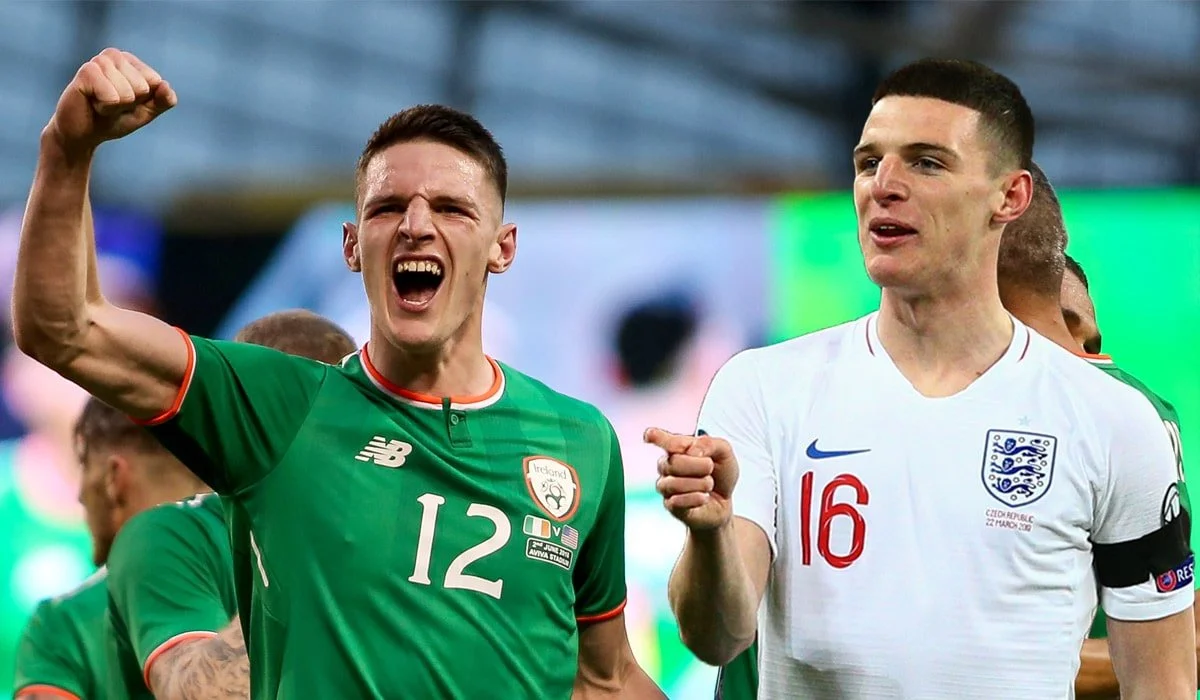
Credit - Extra.ie
While the Irish outfit stood together in Prague, they would undergo 120-plus minutes leading to heartbreak. Irish people sat watching in anticipation, but were met with a familiar and increasingly topical sight.
As Amhran na bhFiann rang out, some players were noticeably unfamiliar with the anthem. Jack Charlton utilised the “Granny Rule” and brought together perhaps the most beloved Irish team of all time, yet now we meet the same arguments.
As a commitment is announced, one side meets it with a groan, and some meet it with excitement. But how does the Irish public decide who is an Irishman?
What is “The Granny Rule?”
Colloquially referred to as the Granny rule in Ireland, the ability for first and second-generation emigrants with Irish descent to declare and make themselves eligible for Ireland. Considering the vast amount of Irish Diaspora across the globe, with the Irish culture of emigration. This would give Ireland a significant boost in eligible players
The Jack Charlton Revolution
Upon appointment to assume the helm of a nation that had never qualified for a major tournament, Jack Charlton quickly assessed the squad and arrived at a conclusion. He was set to specifically target and harness the granny rule.
Charlton, in 1986, scouted the UK aggressively for Irish-eligible players. Soon, he would convince some players to commit who would go on to become legends in Irish football.
Among the pantheon of greats for Ireland are John Aldridge, Ray Houghton and Andy Townsend, among many others. Houghton, especially, is still remembered for his iconic goal against England in the Euros, whilst still providing match commentary for RTÉ, including his iconic animalistic scream when Parrott sent Ireland to the playoffs.
Here comes the contradiction, however, as the nostalgia of Italia 90’ alongside the sixth place ranking in the FIFA national team table, many do not mention the presence of players who had to be reached out to for commitment. Does this dictate that the response for the Granny Rule only matters when we do well?
Heartbreak stemmed from prospects
After a fairy tale in Euro 2016 in France, Ireland would begin to sharply decline as the lack of funding in infrastructure would begin to finally catch up. The O’Neill – Kenny era would feature some notable examples of failed Granny Rule players.
Notably, Declan Rice and Jack Grealish would famously trade the Green for the White. Both still remembered to this day where a Nations League match demonstrated the Irish’s ability to hold a grudge when the pair were met with boos and jeers.
It was perhaps these two instances where extremely promising players treated Ireland like a development team or a back-up plan. The heartbreak from the pair leaving alongside the realisation that they had “taken” caps from other Irish men has led to the growing scepticism and discussion on the topic.
Furthermore, despite Rice posting Instagram comments that included “Tiocfaidh or la”, he still left the setup. This inherently makes it necessary to consider what connections these players have to Ireland beyond familial ties.
Overall, this is where it can be understandable for Irish fans to have become jaded about the Granny Rule. It should not be unreasonable to call for more Irish players born in the likes of Mayo to Mountjoy.
However…
With a continued issue of football in Ireland, as it is set to compete with GAA, Rugby and many other sports. Coupled with the issue of the mismanagement of funds from FAI under Delaney in the 90’s and 2000’s, Ireland in the meantime, needs the diaspora.
Drawing these players in to play for Ireland to effectively bridge the gap between mostly reliance on Granny Rule to a healthy balance would be necessary. As we see more exciting youngsters who are proud to be Irish, such as the newly called-up Jaden Umeh, Ireland still has a huge gap in age between established players and the new generation.
I would argue on this basis, firstly, that we must utilise and harness this rule. Plugging gaps in the squad while allowing the new generation to learn under the tutelage of the players who may have come from better academies could provide immense experience.
However, another aspect becomes important to note. Does the inclusion of Irish emigrants reflect on the culture and identity of Ireland as a whole?
With a current 400,000 – 500,000 Irish emigrants living in the UK, and many more across the globe. Ireland is known for emigration from the days of the Great Hunger to the post-independence era.
But what is “Irishness”
The likes of Kevin Kilbane or Shane McGowan were men whom most Irish people wouldn’t think twice of as someone who is not culturally Irish. Which, overall, heralds the question of what determines Irishness?
Is it the connection to the culture, or is it as simple as an accent? Or realistically, is it just the case that it does not matter if we do well and qualify for a World Cup?
Depicting someone as Irish should really depend and only matter if they decide to put on the Green Shirt; it should not matter if they have a cockney, New York or Canadian accent.
Conclusively, the nature in which people claim to be Irish will always be responded to with our insular nature. One thing is for certain, however, with the culture of migration, colonial memory and division, Ireland has never and probably will never be able to a simple definition of “Irishness”
